







Search Results for: Kon Tum earthquake
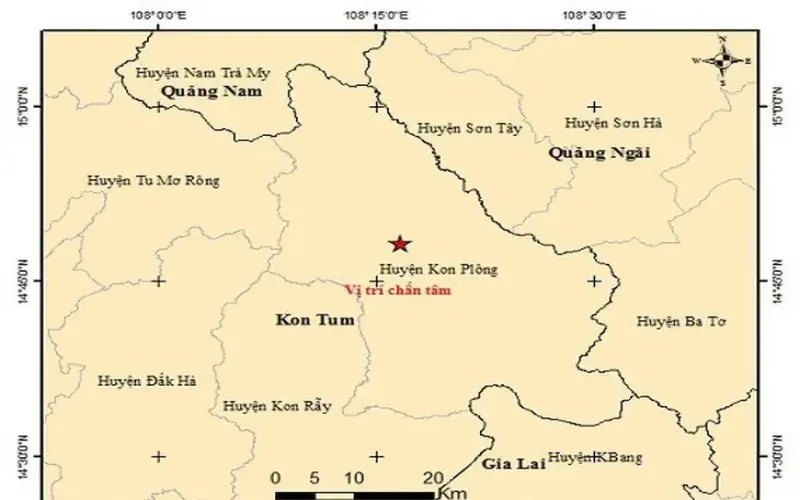
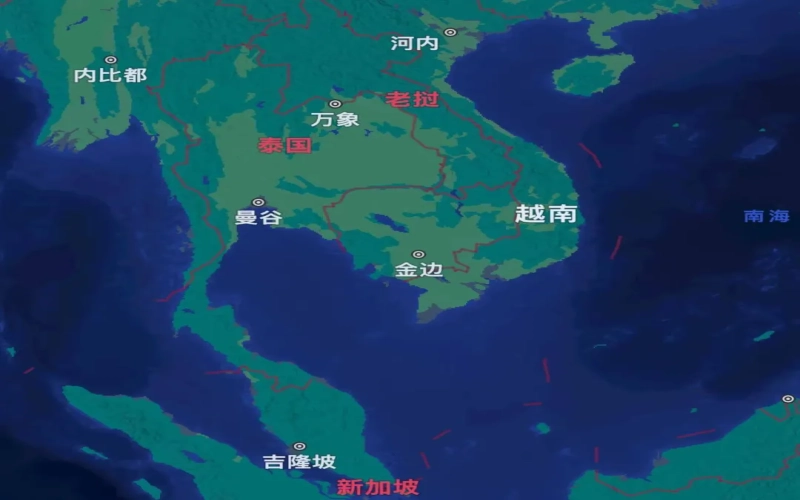
Kontum Province in Vietnam experienced 32 consecutive earthquakes within 24 hours, putting the main coffee-growing region at risk of reduced production.
Vietnam's core coffee-producing region—Kon Plong District in Kon Tum Province—recorded 32 earthquakes within just 24 hours, the strongest reaching magnitude 5.0, triggering tremors across the Central Highlands, several surrounding provinces, and even parts of Thailand. Experts say the quakes are linked to reservoir-induced activity and may continue in the future. As a key part of Vietnam's Central Highlands coffee belt, Kon Tum Province and neighboring provinces account for about 70% of the country's robusta coffee output. The earthquakes could cause farmland subsidence, fluctuations in groundwater levels, and shortages of irrigation water. Combined with this year's severe drought and shrinking cultivation area, the risk of a decline in Vietnam's coffee production is further intensifying. Front Street Coffee will continue to monitor developments in the producing region and their impact on the coffee market. [more…]
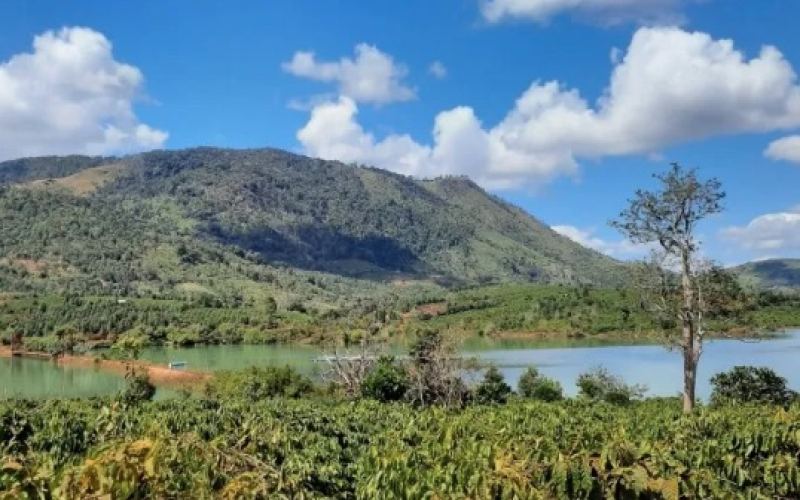
Introduction to coffee varieties in the coffee-producing areas of Vietnam.
Vietnam | Introduction to the planting environment of coffee producing areas and coffee varieties. In Asia, there are many coffee-producing countries, such as Laos, Indonesia, Timor-Leste, China, and Vietnam, among which Vietnam is the world's second [more…]
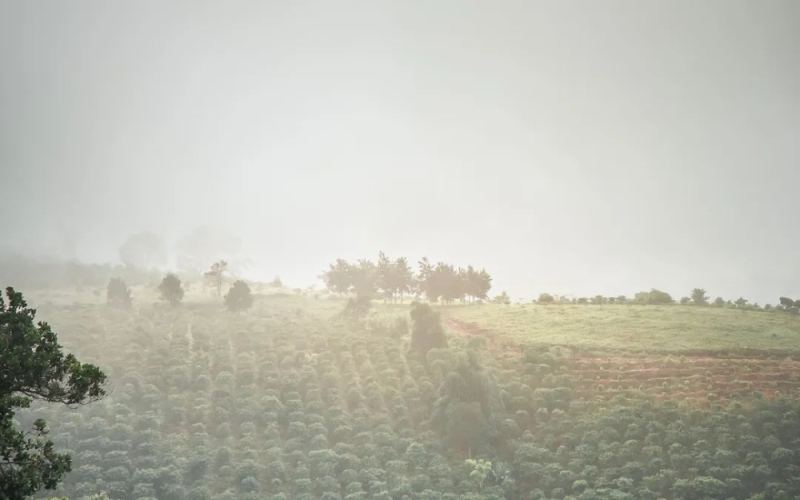
Domestic coffee prices in Vietnam climb to new peaks, while international Robusta and Arabica markets continue to decline
Vietnam's domestic coffee market has recently seen a rare turn of events: even as international futures prices broadly decline, domestic purchasing prices have risen against the trend, with the highest price in the Central Highlands provinces reaching 82,300 Vietnamese dong per kilogram, setting a new all-time record. At the same time, Germany's share of imports of Vietnamese coffee has risen rather than fallen, showing that Europe's reliance on Vietnamese robusta continues to deepen. However, expected production cuts caused by climate change and some coffee farmers switching to durian cultivation are planting more uncertainty on the supply side for the future. This article combines the latest exchange data and producing-region quotes to trace the ins and outs of this round of price fluctuations. [more…]
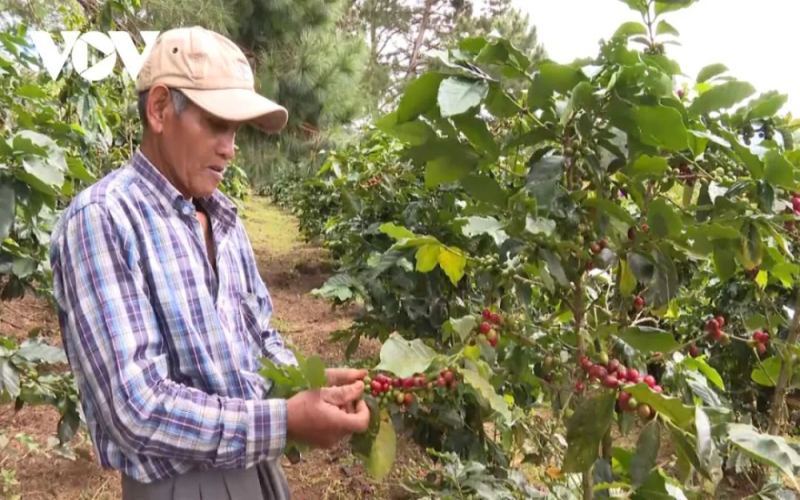
Vietnamese coffee prices continue to climb, and the Red Sea shipping crisis may further intensify it.
Coffee prices within Vietnam have once again climbed. In the Central Highlands, the largest producing region, purchase prices have generally risen by 1,300 to 1,400 Vietnamese dong per kilogram, and the price of coffee beans in bulk has risen to a range of 92,400 to 93,200 Vietnamese dong per kilogram. On the international market, Robusta futures for delivery in May 2024 rose to 3,450 US dollars per ton, while Arabica fell back to 182.95 US cents per pound. At the same time, armed attacks in the Red Sea and the Bab el-Mandeb Strait continue to escalate, with the Houthi armed group threatening to expand the scope of attacks to the Indian Ocean, and global shipping is facing a new round of pressure. Vietnamese coffee exporters, meanwhile, have high hopes for the Italian market, where Robusta occupies a dominant position. [more…]
A Comprehensive Analysis of Vietnam's Coffee Regions: Growing Conditions, Variety Distribution, and Grading System
Vietnam is the world's second-largest coffee producer, renowned for its Robusta beans. With its unique tropical monsoon climate and long, narrow S-shaped terrain, this Southeast Asian country has nurtured three distinctive coffee regions: the Central Highlands, the South, and the North. The Central Highlands alone accounts for about 70% of the nation's Robusta output, while the high-altitude areas of the North sporadically cultivate Arabica varieties such as Bourbon and Catimor. Front Street Coffee takes you on a deeper look into Vietnam's coffee-growing environment, variety distribution, and grading standards, unveiling the terroir secrets behind this coffee powerhouse. [more…]
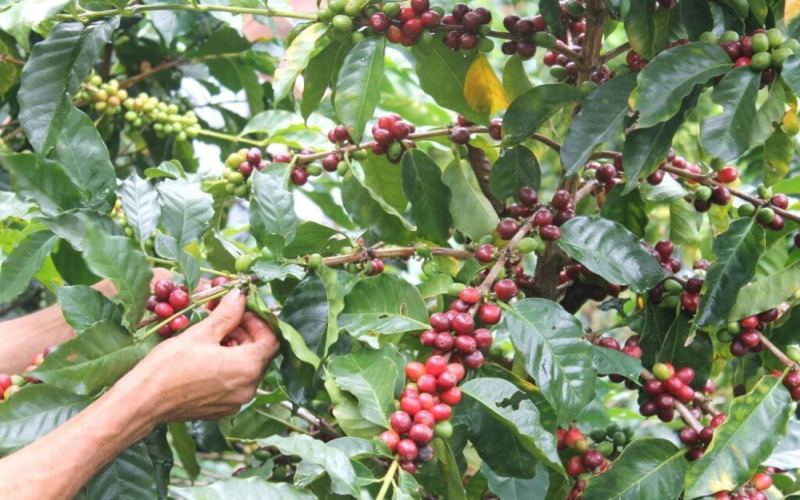
The Rise of Vietnam's Coffee Industry: A Look at Growing Regions, Bean Characteristics, and Classic Italian-Style Blends
Vietnam is the world's second-largest coffee producer. Its coffee industry, introduced during the French colonial period, has gone through a tortuous history of wartime interruption, reform and opening up, a surge in production, and price collapses. This article systematically reviews the development of Vietnamese coffee, explains in detail the altitude, bean varieties, and harvesting characteristics of the three major producing regions—the Central Highlands, southern Vietnam, and northern Vietnam—and analyzes the reasons behind Vietnam's quality, which is dominated by Robusta. At the same time, Front Street Coffee's classic espresso blend also uses Vietnamese Robusta beans, which together with Indonesian Mandheling and Brazilian Cerrado present rich chocolate and nutty flavors. [more…]
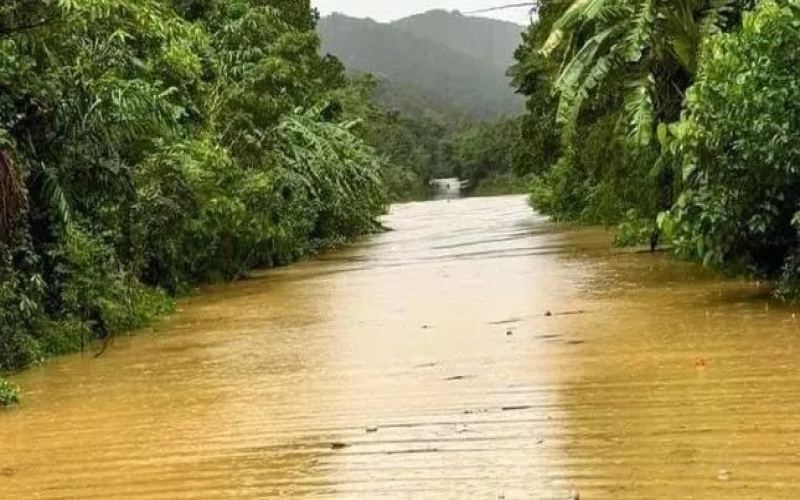
Vietnam Hit by Successive Tropical Storms, Port Congestion Worsens Coffee Export Woes
Central Vietnam was hit by two consecutive tropical storms in September, causing casualties and severe damage to infrastructure. Although the main coffee-growing regions were not directly affected, heavy rainfall has clouded the harvest outlook. More critically, major export hubs such as Haiphong Port and Da Nang were paralyzed by the storms, leaving large numbers of shipping containers backed up and severely disrupting coffee exports. Combined with reduced output caused by drought earlier in the year and steadily climbing domestic spot prices, the supply difficulties facing Vietnam—the world's second-largest coffee producer—are driving up international robusta futures prices. Front Street Coffee continues to monitor developments in the producing regions. [more…]

Ethiopia's Awash Region Experiences Frequent Earthquakes, Coffee Export Transport Chain Faces Challenges
Recently, multiple consecutive earthquakes have occurred in the Awash Fentale area of the Oromia Region in Ethiopia, raising concerns among local residents and those in the coffee industry. This area is not only close to the capital, Addis Ababa, but also adjacent to the important coffee-producing region of Harar, and the earthquakes may affect the soil and coffee yields. At the same time, the risk of damage to road infrastructure, combined with port congestion caused by the Red Sea crisis, may further disrupt Ethiopia's coffee export transportation. In addition, the conflict in the north and the continued depreciation of the exchange rate remain major challenges facing the country's coffee industry, with planting costs constantly rising and the coffee price cap being raised again. This article will review the earthquake developments and their potential impact on the coffee supply chain. [more…]
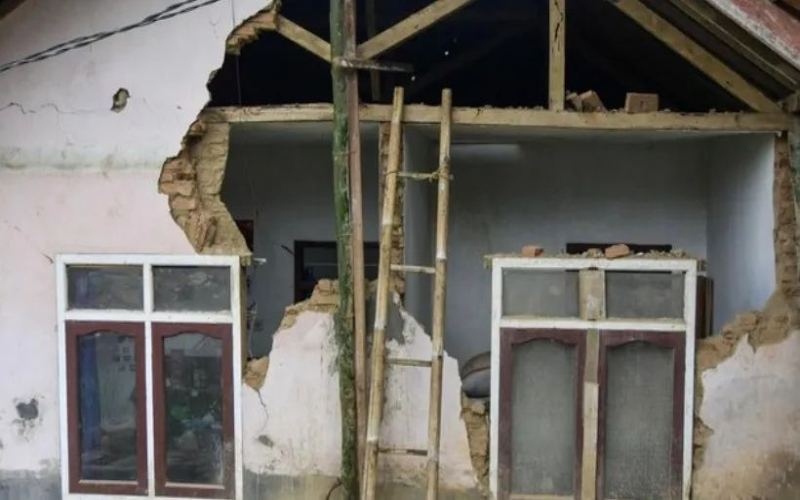
Two major coffee-producing regions in Indonesia have been hit by disasters in succession; output may decline further, and prices could keep rising.
Recently, several major coffee-producing regions in Indonesia have been hit by natural disasters. A magnitude 5.0 earthquake struck near Bandung in West Java on the island of Java, causing injuries and damage to homes; the Aceh region in northern Sumatra was hit by heavy rain and strong winds, and with the coffee harvest season underway, harvesting work has been disrupted. At the same time, several provinces are also facing ongoing drought, and coffee production may decline further. This article summarizes the disaster situations in various areas and their impact on Indonesia's coffee industry. [more…]

Chinese Investment of 50 Million USD to Develop Ethiopia's Gada Special Economic Zone: Opportunities and Security Challenges for the Coffee Processing Industry
Recently, the Ethiopian Investment Commission signed a subcontractor developer agreement with the Chinese enterprise CKIIG to develop 20 hectares of land in the Gada Special Economic Zone, with a total investment of 50 million USD (about 6 billion birr). The project focuses on areas such as coffee processing and is expected to enhance Ethiopia's coffee processing technology and export competitiveness. However, Ethiopia currently faces multiple challenges, including armed conflict, kidnapping incidents, earthquakes, and currency depreciation, causing coffee industry costs to keep rising. Front Street Coffee will continue to follow developments in the origin and bring frontline news to coffee lovers. [more…]
Jamaica Blue Mountain Coffee: Causes of Production Decline and Flavor Analysis — Typica Variety Pour-Over Parameters and Brewing Method
Jamaican Blue Mountain coffee is renowned for its balanced and elegant flavor, but since October 2020, Jamaica has been hit by a series of natural disasters including tropical storms, hurricanes, earthquakes, and volcanic ash, causing road damage in the Blue Mountain coffee growing region and extensive cherry drop, with Coney Dell Estate expected to see yield losses of over 50%. This article will review the impact of these disasters, introduce the growing environment of Blue Mountain coffee and the characteristics of the Typica variety, and share in detail the brewing parameters and flavor profiles of two pour-over methods recommended by Front Street Coffee—the KONO dripper and the cloth filter—to help coffee enthusiasts gain a comprehensive understanding of the current situation and brewing key points of Blue Mountain coffee. [more…]
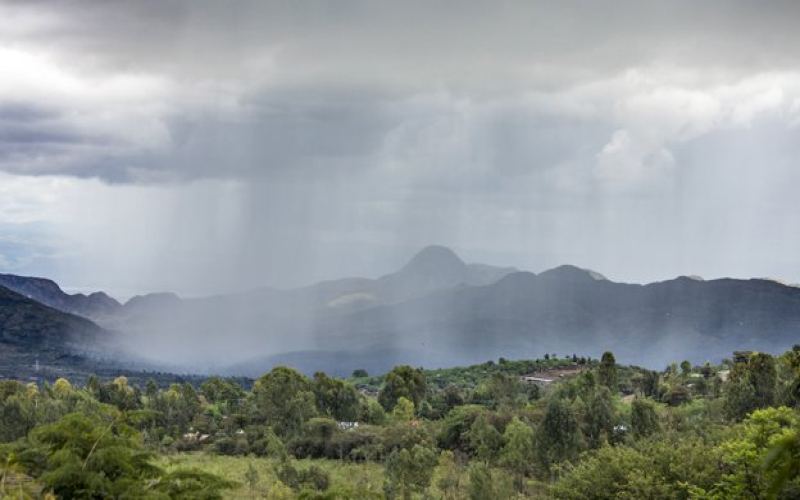
Complete Guide to Himalayan Kangra Highland Black Tea: Cultivation Origins, Flavor Characteristics, and Temi Tea Garden Organic Tea
The Himalayas are not only a symbol of inspiration and purity, but also nurture teas of exceptional flavor. Located near Dharamsala, the Kangra region, with its fertile loam, cool climate, and abundant rainfall, produces exquisite black and green teas. Kangra tea got its start in the mid-19th century, was once exported as far as Kabul and Central Asia, and won awards in London and Amsterdam. Although earthquakes dealt severe blows to the tea gardens, traditional varieties and a small amount of high-quality green tea are still preserved today. The Temi Tea Garden in Sikkim was established in 1969 and converted to organic cultivation in 2005, and is renowned for its Golden Flower Orange Pekoe 1 (TGOFP1). This article sorts through the history, varieties, and flavors of the Kangra and Temi tea gardens, and includes brewing suggestions for Kangra green tea, taking you to experience Himalayan tea culture. [more…]
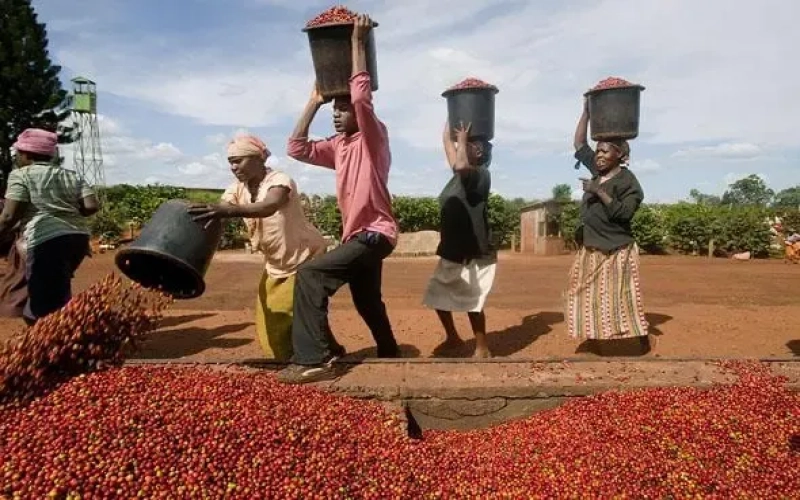
Extreme weather deals a severe blow to Jamaica's Blue Mountain coffee industry, as officials plan to launch a five-year revitalization program with billions in funding.
Jamaican Blue Mountain coffee has long been regarded as a treasure of the coffee world, winning the favor of countless enthusiasts with its scarce production and outstanding flavor. However, Jamaica's main coffee-growing regions have recently suffered multiple blows including heavy rains and earthquakes, with frequent mudslides and landslides, causing the new season's coffee bean production to be expected to decline by about 25% compared with the same period last year. Facing this severe situation, the Jamaican government has announced that it will invest billions of dollars to launch a crop recovery and establishment plan, aiming to revive the production of Blue Mountain and High Mountain coffee varieties within five years, benefiting more than 5,000 coffee growers. This article will sort out the causes of this production reduction, its impact, and the specific contents of the official revival measures. [more…]
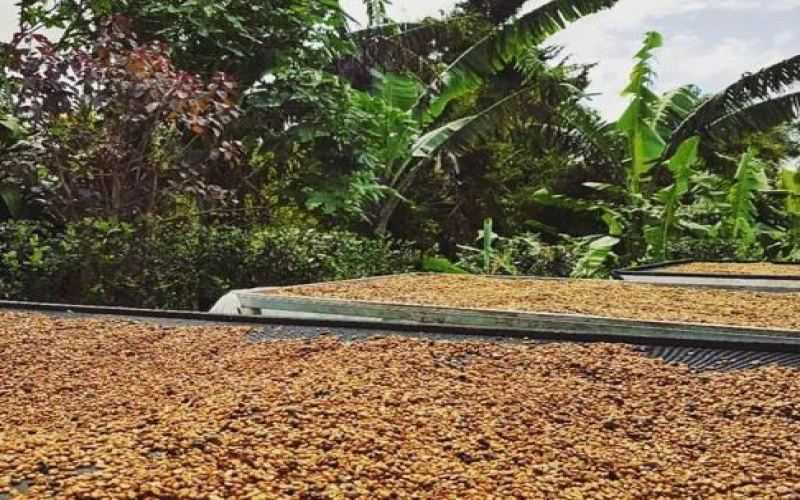
Tracing the Origins of Costa Rican Honey Processing: From Brazil Pulped Natural to Tarrazú La Labrador Estate Geisha Analysis
Costa Rican coffee is famous for honey processing, but honey processing does not mean adding honey—it is a method that retains the mucilage layer. Its predecessor was Brazil's pulped natural process, which Costa Rica borrowed, improved, and brought to prominence. This article systematically traces the development and flavor characteristics of Costa Rican honey processing, from the origins of honey processing, the invention of the mucilage remover, its promotion after the 2008 earthquake, and the subdivision into black, red, yellow, and white honey, to Front Street Coffee's introduction of the honey-processed Geisha from Finca San Isidro Labrador in the Tarrazú region, giving you an in-depth understanding of the ins and outs of this processing method. [more…]
Guatemala Antigua Coffee Flavor Analysis and Pour-Over Tasting: From Volcanic Soil to Noble Smoky Notes
Guatemalan coffee has always been renowned for its rich elegance, and the Antigua region is the crown jewel among them. Surrounded by three active volcanoes, its volcanic soil is rich in nitrogen, creating the distinctive smoky and charcoal-roasted flavors of Antigua coffee. This article will take you deep into the taste characteristics of Antigua coffee—from its rich, smooth chocolate sweetness to its captivating tobacco aroma, and on to its stunning performance when paired with chocolate. We will also trace the history of how coffee was introduced to Guatemala, analyze the flavor differences among its eight major producing regions, and recommend Front Street Coffee's classic Antigua bean. Whether you are a pour-over enthusiast or an espresso player, this article will help you gain a comprehensive understanding of this noble bean known as "cigarette coffee." [more…]

Why Is Honey Processing So Popular in Costa Rica? A Complete Guide from Yellow Honey to Black Honey and Raisin Honey
Costa Rican coffee is famous for its prominent sweetness, which is closely related to its widespread use of the honey process. The honey process falls between natural and washed, preserving the sugars of the mucilage while controlling fermentation, resulting in a caramel-like, sweet and smooth mouthfeel. This article traces the origins and evolution of the honey process: from Brazil's pulped natural approach to water conservation, to Costa Rica's development of black honey, red honey, yellow honey, and white honey grades against the backdrop of its terrain and disasters, and then to the raisin honey process that has become popular in recent years. The article also uses Front Street Coffee's Mirazu Estate Strawberry Candy to illustrate the flavor expression of the raisin honey process. [more…]
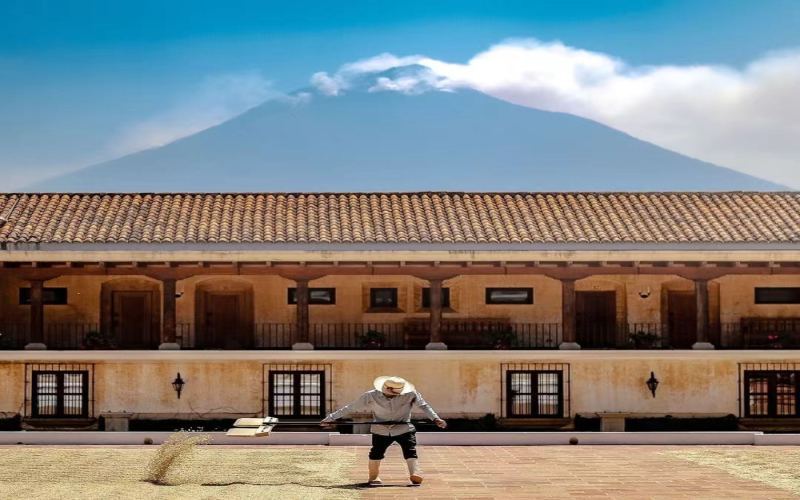
Guatemalan Coffee Origin Story and Flavor Analysis: Huehuetenango La Rosa Estate Geisha and Pour-Over Techniques
Guatemala, with its high-altitude volcanic terrain and more than three hundred microclimates, nurtures specialty coffee renowned worldwide. This article takes you into Rose Estate in the Huehuetenango region to learn about its century-long history and the distinctive rose flavor of its washed Geisha beans, while also outlining Guatemala's eight major producing regions, main varieties, and washed processing methods. You will also see Front Street Coffee's roasting approach for Guatemalan beans and V60 three-pour brewing parameters, as well as a flavor comparison between two beans, Huehuetenango and Flor del Café. Whether you are a beginner just getting started or a seasoned enthusiast, you will find practical references here. [more…]
Guatemala Huehuetenango Rose Estate Geisha: Rose Aroma and Flavor Analysis Under Washed Processing
In the high-altitude mountains of northwestern Guatemala, the Huehuetenango region nurtures many specialty coffees with its unique terroir. Among them, Finca Las Rosas has been growing coffee since 1915. After a century of inheritance, it is famous for its washed Geisha and has twice been selected for the C.O.E winners' list. This article will explore in depth whether the Geisha coffee from this estate carries rose flavors, and analyze the regional characteristics, varieties, and processing methods of Guatemalan coffee. At the same time, Front Street Coffee's Huehuetenango and Flor del Café, as everyday beans, will also provide coffee lovers with practical brewing suggestions and flavor references. [more…]

Guatemalan Antigua Coffee Flavor Analysis: The Smoky Legend and Quality Exploration Nurtured by Volcanic Soil
Guatemalan Antigua coffee is known as "cigarette coffee" and is a representative of the Bourbon variety with bright acidity and mellow aroma. This article will take you deep into the historical stories of the Antigua production region, its volcanic geographic advantages, the origins of Maya culture and coffee, and its unique taste—rich, silky, with tobacco and charcoal-roasted flavors. From the production environment to flavor characteristics, from historical changes to its position in the international market, this is a comprehensive analysis of this specialty coffee hailed as the "most perfect coffee bean," suitable for every enthusiast who loves exploring coffee flavors. [more…]

A Complete Analysis of the Flavor and Origin of Guatemala Huehuetenango Rose Estate Geisha Washed Coffee
This article provides an in-depth introduction to the Geisha washed coffee from Rose Estate in the Huehuetenango region of Guatemala, covering the estate's century-long history, its COE award experience, and the flavor characteristics of the Geisha variety, while also systematically outlining Guatemala's eight major coffee regions, coffee varieties, and the washed processing method. It also shares Front Street Coffee's roasting approach and V60 brewing parameters for two beans, Huehuetenango and Flor de Guatemala, offering coffee enthusiasts a complete reference from origin to cup. [more…]